These entries explain symbols that people now associate with the Illuminati. Most of them are older, or belong to other cultures. None of them is an official seal of this website, and none of them belongs only to one organization.
Photographs and engravings below are used for education. They are not proof of membership in any modern group.
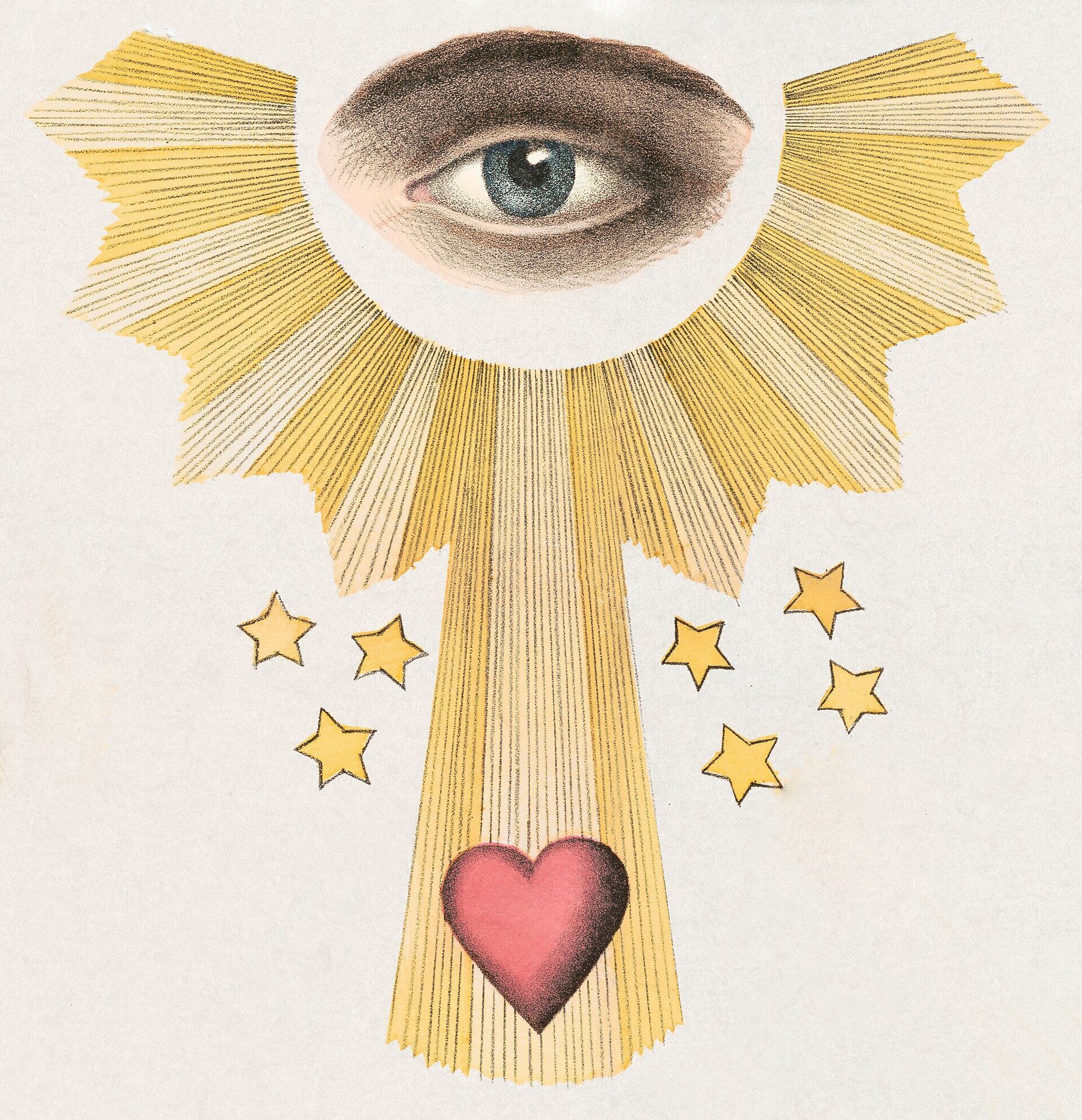
An eye in a triangle, often surrounded by rays, is a picture of watchful care. In Christian art it usually means divine providence. On the reverse of the Great Seal of the United States it sits above an unfinished pyramid.
A pyramid is a massive stone monument, and later a shape used in architecture and emblems. The unfinished pyramid on the Great Seal is an American design, not an Egyptian temple and not a Bavarian seal.
In the New Testament, 666 is the number given to the beast in Revelation 13:18. Centuries of readers have argued about what that verse identifies. It is not a Bavarian membership number.
A five-pointed star is a geometric figure. People have used it in mathematics, flags, religious art, and magic. Context decides the meaning. The figure is not an Illuminati logo.
An obelisk is a tapering stone pillar, first cut in ancient Egypt. Rome, later European cities, and many modern capitals reused the form as a public monument.
Compasses, suns, moons, keys, doors, and black-and-white floors appear in many workshops, churches, and fraternal pictures. They are tools and contrasts before they are anybody’s exclusive mark.
Eye of Providence
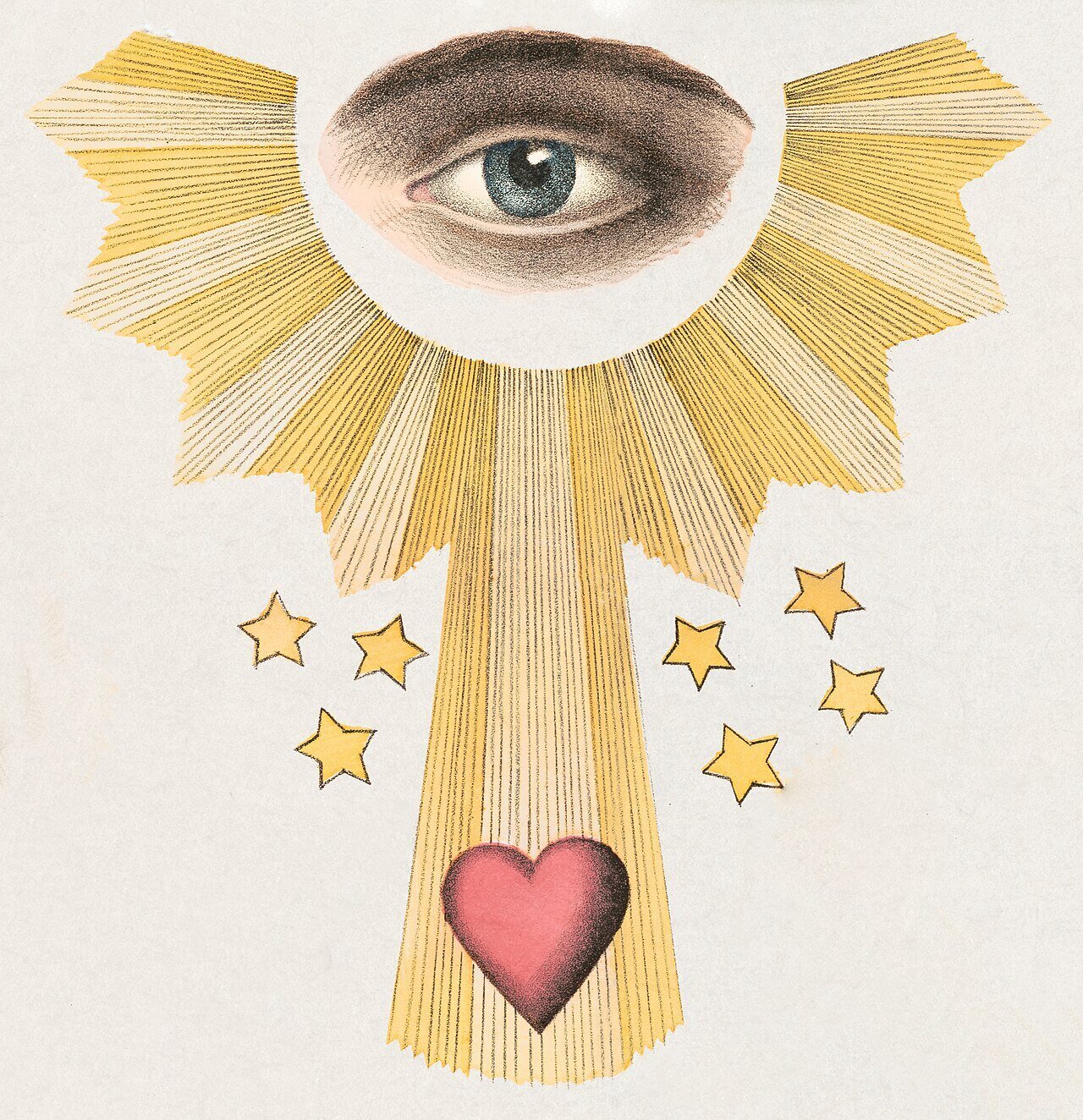
An eye in a triangle, often surrounded by rays, is a picture of watchful care. In Christian art it usually means divine providence. On the reverse of the Great Seal of the United States it sits above an unfinished pyramid.
Historical origin
The motif is older than the Bavarian Illuminati. Radiant eyes and triangles appear in European religious art as signs of God seeing and sustaining the world. The triangle was often read as a sign of the Trinity.
Documented meanings
Charles Thomson’s 1782 description of the seal, approved by the Continental Congress on 20 June 1782, places “an eye in a triangle, surrounded by a glory” above an unfinished pyramid. The mottos Annuit Coeptis and Novus Ordo Seclorum come from that American design. The National Archives notes that a die for the reverse was not cut in the eighteenth century. The reverse later became familiar because it was printed on the one-dollar bill.
Cultural variations
Some pictures show the eye alone, some place it in a triangle, and some add a burst of light. Those are variations of a religious and heraldic image, not a single organization’s logo.
The Bavarian Illuminati
The Bavarian Illuminati were founded in Ingolstadt in 1776 and suppressed in the 1780s. They did not design the Great Seal. Nothing in the congressional record of the seal identifies the eye as their emblem.
Later interpretations
From the twentieth century onward, posters, films, and websites reused the dollar-bill reverse as a shorthand for hidden power. That is a modern visual habit. It is not a finding that the 1782 committee was working for the Ingolstadt order.
What it cannot prove
The eye does not prove that a person, a company, or a government belongs to any Illuminati group. It does not, by itself, prove a connection to the Bavarian order.
A pyramid is a massive stone monument, and later a shape used in architecture and emblems. The unfinished pyramid on the Great Seal is an American design, not an Egyptian temple and not a Bavarian seal.
Historical origin
The stone pyramids of ancient Egypt were royal tombs and temples, built centuries before 1776. Their construction, religion, and writing are Egyptian subjects. They are not evidence about a German student society.
Documented meanings
On the Great Seal, the pyramid is unfinished, has thirteen steps in the familiar drawing, and carries the date MDCCLXXVI, the year 1776 in Roman numerals. In that setting, 1776 is the year of the American Declaration of Independence. Thomson’s papers explain the seal as an emblem of the new republic. Thirteen, on that object, refers to the original states, not to a secret number code.
Cultural variations
Egyptian pyramids, Mesoamerican pyramids, and the flat emblem on the seal are different objects. A modern glass pyramid, such as a museum entrance, is architecture. It does not inherit the meaning of Giza or of the seal.
The Bavarian Illuminati
The Bavarian order began in 1776 in Ingolstadt. That shared year is a coincidence of the calendar with American independence, not a joint design. The order’s papers are not the source of the Great Seal.
Later interpretations
Later writers folded the seal’s pyramid into stories of a continuing secret government. The National Archives account of the seal does not support that reading.
What it cannot prove
A pyramid in a logo, a film, or a city does not prove Illuminati membership or control.
“All-seeing eye” is another name for the watchful eye, used when the emphasis is on observation rather than on the triangle alone.
Historical origin
The phrase belongs to the same religious family as the Eye of Providence: a God, or a personified authority, who sees what people do. It also appears in moral language about conscience and in political language about vigilance.
Documented meanings
In Christian art the eye can mean providence. In modern speech it can mean surveillance, a camera, or a state that watches. Those meanings depend on the sentence around the picture.
Cultural variations
Some drawings add a triangle, rays, or a cloud. Others are only an eye. The added shapes change the emphasis. They do not create a new historical society.
The Bavarian Illuminati
The Bavarian Illuminati used secrecy, aliases, and internal reports. That organizational habit is not the same thing as this picture. Their documented history does not make every eye their property.
Later interpretations
Twentieth-century design and conspiracy publishing treated the all-seeing eye as a brand for hidden elites. That is a later interpretation.
What it cannot prove
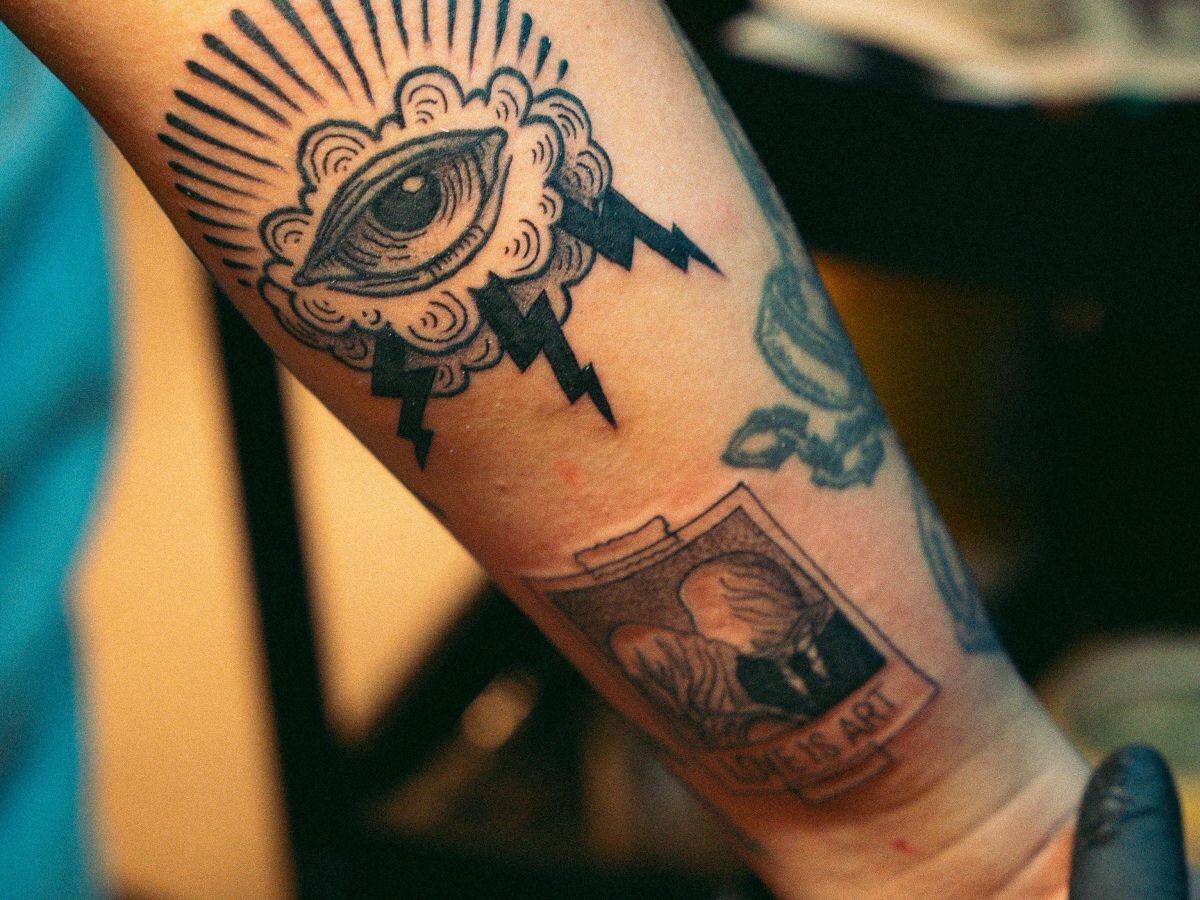
An eye in a poster, a tattoo, or a corporate mark cannot prove that the Bavarian order survived or that the bearer is a member.
The owl is the bird of Athena and of the Roman Minerva, and so a common sign of wisdom, study, and the night. It is not owned by one society.
Historical origin
Greek and Roman art paired the owl with the goddess of skilled knowledge. Medieval and later European books kept that association. Owls also appear in folklore as night birds, sometimes ominous and sometimes simply nocturnal.
Documented meanings
Wisdom, scholarship, night, and ill omen are all attested cultural readings. Which one applies depends on the culture and the caption.
Cultural variations
A university seal, a publishing house, a sports club, and a nature photograph can all use an owl.
The Bavarian Illuminati
The Minerval grade of the Bavarian order took its name from Minerva. Some of the order’s imagery drew on that classical goddess, whose bird is the owl. That is a limited, documented link between the grade’s name and a classical symbol.
Later interpretations
Later magazines and websites treated any owl as a meeting sign of a supposed modern Illuminati. Other groups, including unrelated social clubs, have also used owls. Sharing a classical bird is not a shared organization.
What it cannot prove
An owl does not establish membership, a meeting, or a political program.
Thirteen is an ordinary integer with a crowded folklore. It is also the count of the original United States. It is not a private Illuminati alphabet.
Historical origin
Many European folk traditions treat thirteen as unlucky, often in stories about dinner guests or floors of a building. Other traditions do not. Religious calendars and lunar counts also use thirteen without that superstition.
Documented meanings
On the Great Seal, thirteen stripes, steps, arrows, and leaves were explained as the thirteen original states. That is a political count, published with the seal, not a cipher from Ingolstadt.
Cultural variations
Superstition, nation-founding arithmetic, and playing-card design are different uses. A baker’s dozen is a commercial habit.
The Bavarian Illuminati
The Bavarian order’s grades and aliases are described in its own papers and in hostile exposés. Those sources do not turn every thirteen into their signature.
Later interpretations
Modern lists that collect thirteen-step buildings or thirteen-letter names are pattern-seeking. A pattern is not a document.
What it cannot prove
The number 13 on a coin, a building, or a date does not prove a secret affiliation.
In the New Testament, 666 is the number given to the beast in Revelation 13:18. Centuries of readers have argued about what that verse identifies. It is not a Bavarian membership number.
Historical origin
The verse sits in a first-century Christian apocalypse. Historical interpreters have often treated the number as gematria, a letter-number puzzle, and a frequent scholarly candidate is the Roman emperor Nero. Other readers have applied it to later figures. Those are interpretations of a biblical text.
Documented meanings
Christian preaching, horror fiction, and advertising have all reused 666. The tone ranges from theological warning to a joke.
Cultural variations
The number’s later career is mostly religious polemic and popular culture. It is not a continuous record of one secret society.
The Bavarian Illuminati
The Bavarian Illuminati were an Enlightenment-era society concerned with moral reform, education, and opposition to what they saw as oppressive authority. Their founding documents are not the Book of Revelation, and Britannica’s account of the order does not make 666 their emblem.
Later interpretations
Some modern religious writers folded the Illuminati into end-times narratives. That is a belief about the present, not a finding from the Ingolstadt archive.
What it cannot prove
A price, an address, a barcode story, or a film that uses 666 does not identify the Bavarian order or a modern member.
A five-pointed star is a geometric figure. People have used it in mathematics, flags, religious art, and magic. Context decides the meaning. The figure is not an Illuminati logo.
Historical origin
Five-pointed stars appear in ancient geometry and in medieval Christian art, sometimes as a sign of the five wounds of Christ. Renaissance writers also discussed the pentagram as a proportion. In the nineteenth century, occult authors gave particular point-up or point-down drawings their own theories. Those theories are late. They are not instructions from 1776.
Documented meanings
A star on a flag usually means a state, a people, or a military rank. A star in a church window can be Christian. A star in a nineteenth-century magical book belongs to that book’s system. Orientation is meaningful only inside the tradition that explains it.
Cultural variations
A military star, a national flag, and a magical diagram remain separate uses even when the geometry matches.
The Bavarian Illuminati
The Bavarian order used classical names, Masonic contacts, and a grade structure. A general history of the order does not describe the pentagram as its identifying seal.
Later interpretations
Twentieth-century occult and conspiracy graphics mixed pentagrams, eyes, and pyramids into one collage. The collage is modern.
What it cannot prove
A five-pointed star does not prove occult practice, Illuminati membership, or control of an institution.
An obelisk is a tapering stone pillar, first cut in ancient Egypt. Rome, later European cities, and many modern capitals reused the form as a public monument.
Historical origin
Egyptian obelisks were temple objects, often dedicated to the sun and inscribed with hieroglyphs. Roman emperors moved some of them to Rome. Renaissance and Baroque popes re-erected Egyptian obelisks in Christian squares. The Washington Monument and many nineteenth-century memorials use the shape without being Egyptian artifacts.
Documented meanings
An inscribed Egyptian stone, a Roman trophy, and a modern masonry memorial do not mean the same thing. The inscription, if any, is the evidence.
Cultural variations
Height and shape alone do not tell an Egyptian temple object from a later memorial.
The Bavarian Illuminati
The Bavarian Illuminati did not build the Egyptian obelisks, and their suppression in the 1780s has no documented connection to the later fashion for obelisk memorials.
Later interpretations
Some tours and videos point at any obelisk as a marker of hidden rule. The architectural history does not require that explanation.
What it cannot prove
An obelisk does not prove that a city, a church, or a government is directed by an Illuminati group.
Serpents mean different things in different stories: healing, renewal, danger, temptation, and knowledge. No one meaning travels with every snake.
Historical origin
The staff of Asclepius, a single snake on a rod, is an ancient sign of medicine. The caduceus, with two snakes, belonged to Hermes and was later confused with the medical staff. Genesis uses a serpent in the garden story. Some ancient images show a snake biting its tail, later called the ouroboros, as a sign of a cycle.
Documented meanings
A pharmacy sign, a biblical illustration, and a decorative bracelet are not one symbol. The number of snakes and the object they wrap are part of the meaning.
Cultural variations
Medical, biblical, and decorative snakes should stay in those separate stories.
The Bavarian Illuminati
Standard accounts of the Bavarian order center on moral improvement, secrecy, and political and religious reform. They do not make the serpent the order’s badge.
Later interpretations
Modern collages sometimes add a snake to eyes and pyramids. That design is contemporary.
What it cannot prove
A serpent in a logo or a painting does not prove membership or a shared doctrine.
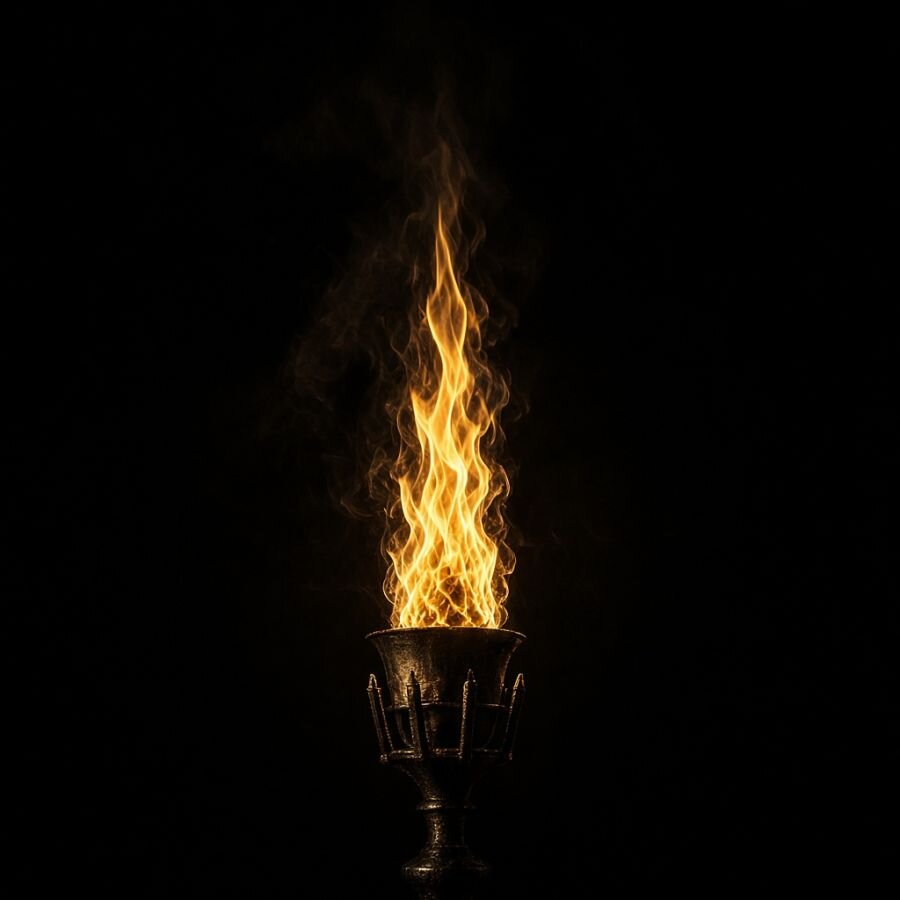
Light, a flame, and a torch are old pictures of knowledge, guidance, and the ability to see. The word Enlightenment uses that picture on purpose.
Historical origin
Lamps and torches appear in classical art with gods of knowledge and with people who lead. Christian art uses light for revelation. Eighteenth-century writers used light and darkness as moral and intellectual language: inquiry against what they called superstition.
Documented meanings
A candle on a desk, a statue with a torch, and the name of a historical period are related metaphors. They are not a uniform organization.
Cultural variations
A painted lamp, a public monument, and the name of a century use the same picture for different jobs.
The Bavarian Illuminati
The order’s name, Illuminati, means people who have been lit, or enlightened. The metaphor fits their self-description as seekers of moral and intellectual improvement. It was also common property of the period. A torch in a park or a logo does not descend from their correspondence.
Later interpretations
Later groups, including many that have nothing to do with Ingolstadt, have used flames and torches for liberty, memory, or education.
What it cannot prove
A flame does not prove that an institution continues the Bavarian order.
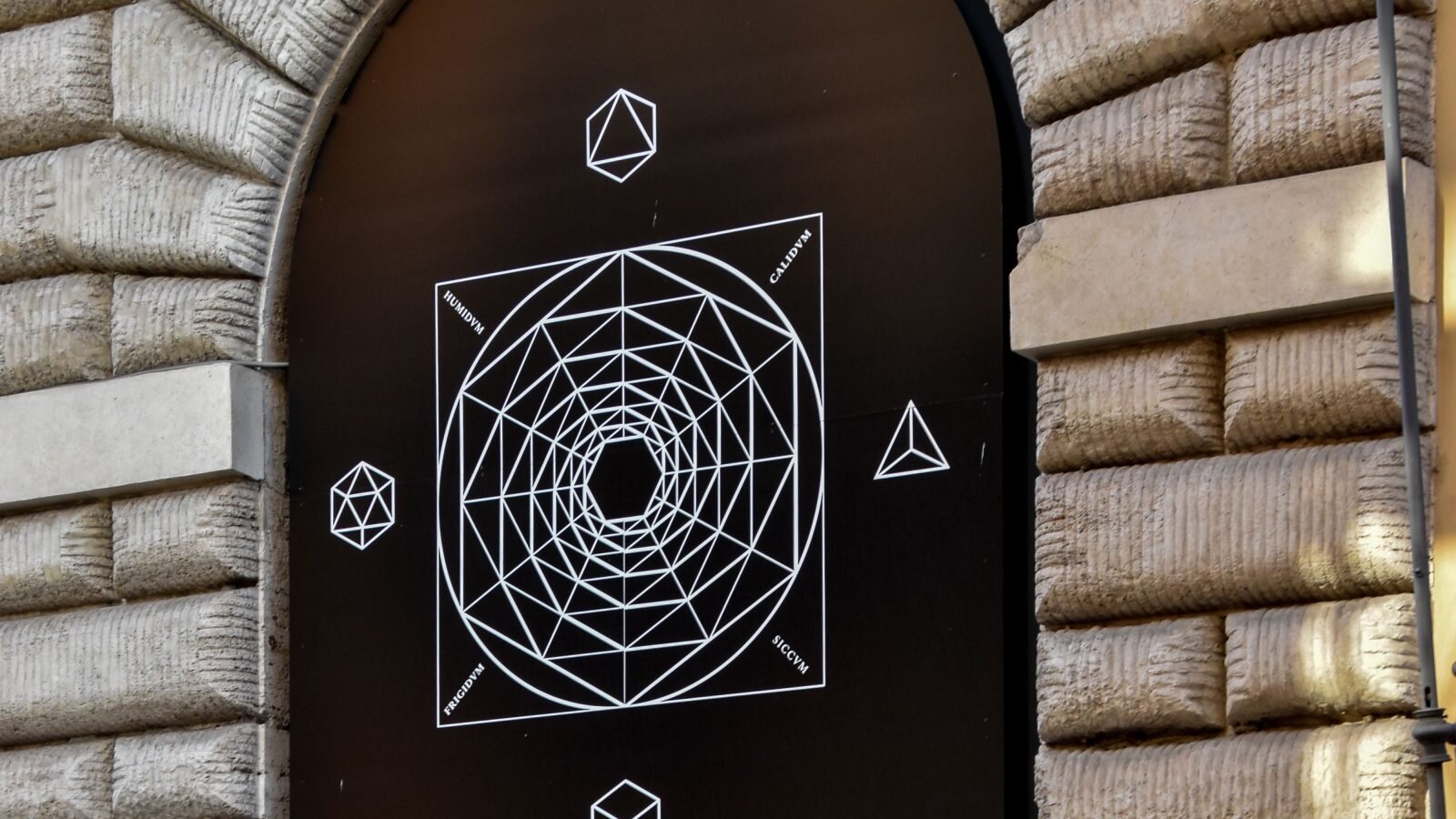
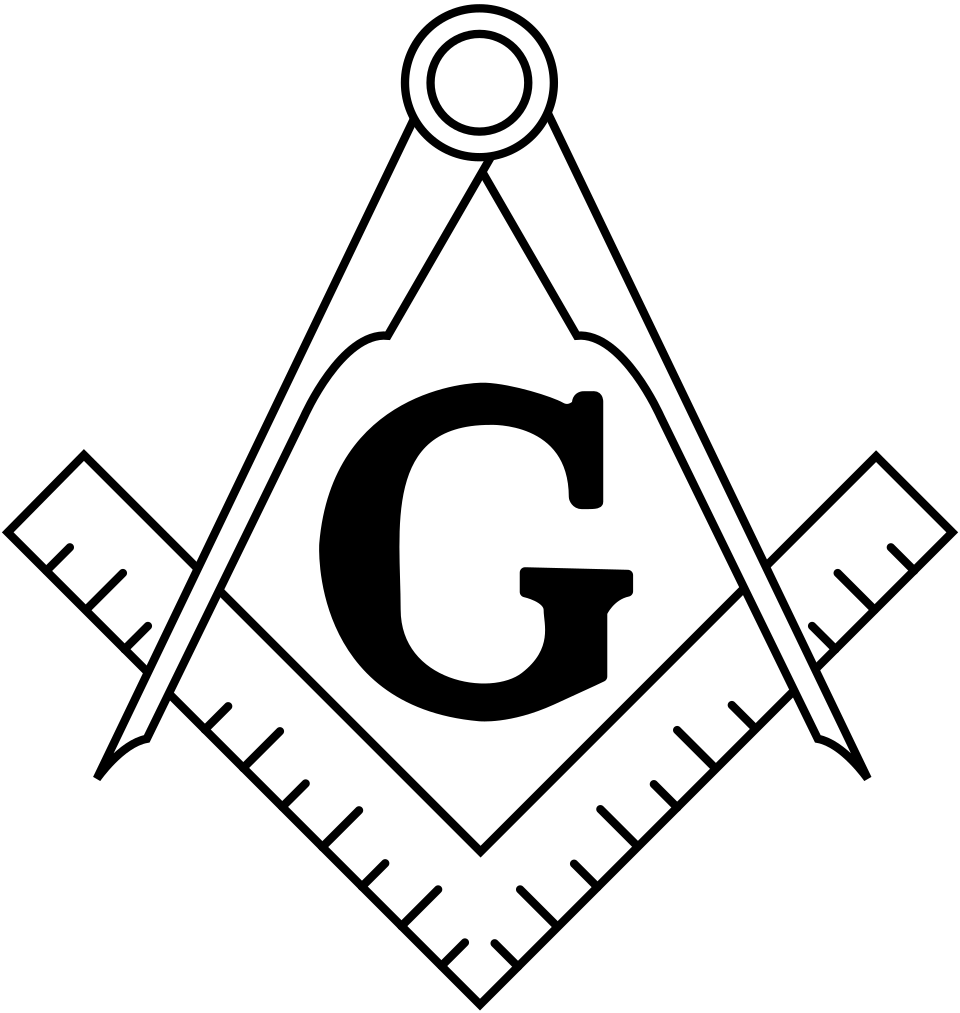
Compasses, suns, moons, keys, doors, and black-and-white floors appear in many workshops, churches, and fraternal pictures. They are tools and contrasts before they are anybody’s exclusive mark.
Historical origin
A compass measures and draws. Masonic and other fraternal art of the eighteenth century used architects’ tools as moral pictures of measure and building. The sun and moon are ancient timekeepers. A key can mean access or an office. A checkerboard floor is a building pattern and, in some lodges, a floor cloth. None of these objects began in 1776.
Documented meanings
The same tool in a trade guild, a Masonic tracing board, and a modern logo needs the caption of that object. Geometry alone is not a confession.
Cultural variations
Suns, moons, keys, and checkerboard floors also have ordinary uses in churches and workshops.
The Bavarian Illuminati
Weishaupt’s circle recruited in part through existing Masonic lodges, and Knigge helped shape grades that drew on that world. Shared pictures can show contact between circles. They do not show that every compass is the Bavarian order, or that the order still meets wherever a compass is drawn.
Later interpretations
Internet charts collect these motifs and declare a single hidden author. The charts skip the ordinary history of tools, churches, and lodges.
What it cannot prove
A compass, a key, a door, or a black-and-white floor cannot prove membership, a ritual, or political control.